LOUISE DUNFORD PhD Nutritionist Turning the latest research into simple, actionable strategies for better health
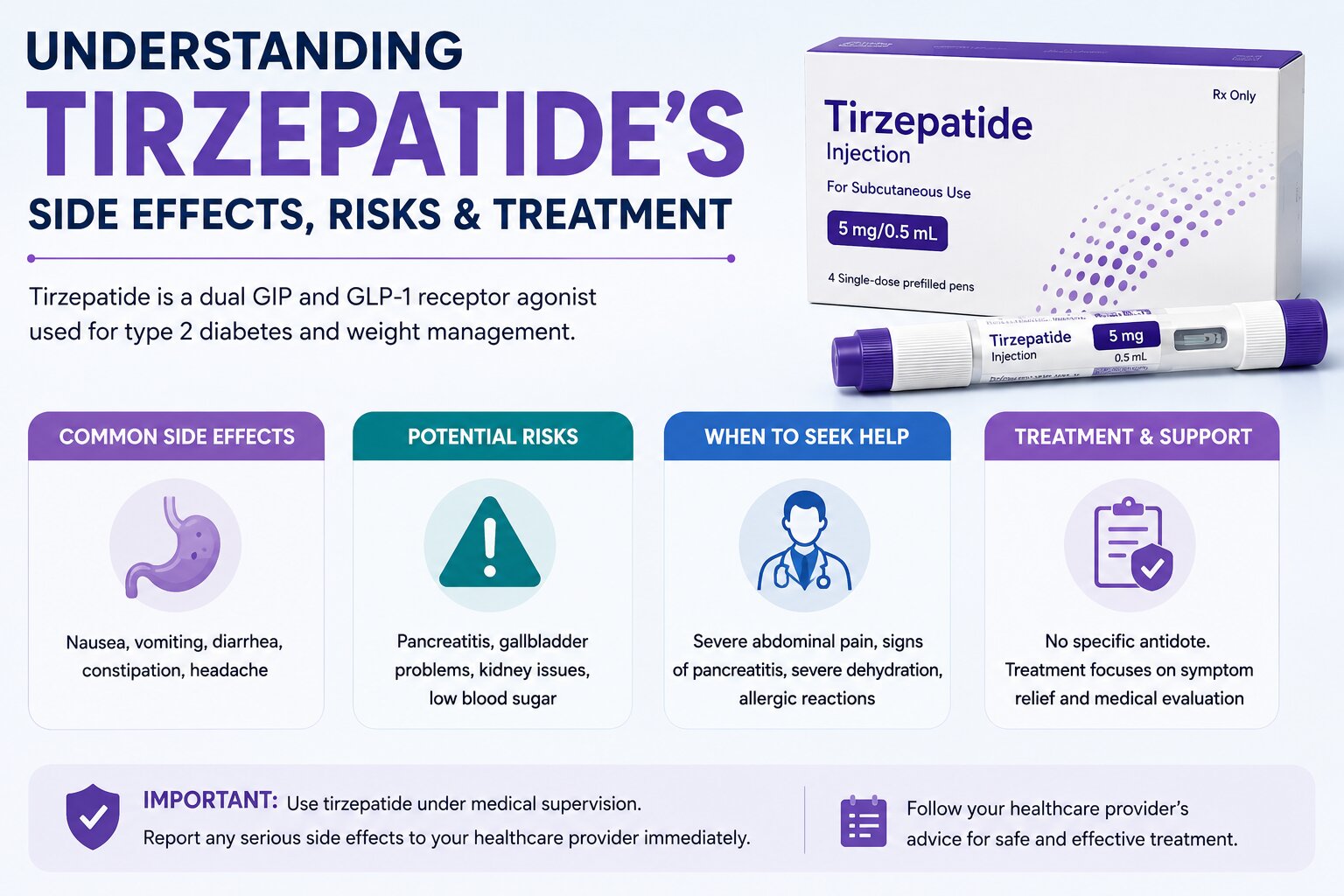
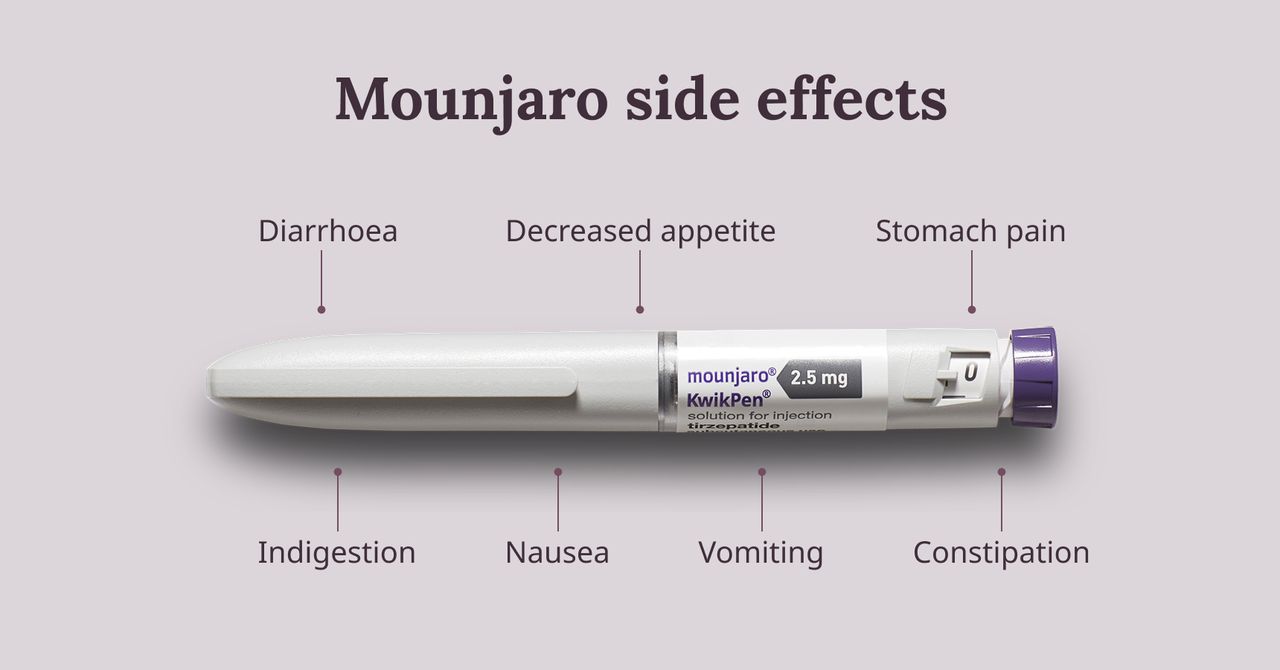
Treatment begins at the lowest dose with gradual escalation every four weeks to minimize gastrointestinal adverse effects such as nausea, vomiting, and diarrhea

Key Insights Fatigue is a common but usually temporary side effect during the initial weeks or dose changes in GLP-1 therapy, caused largely by rapid calorie deficit, dehydration, and metabolic adjustments. Maintaining steady energy requires prioritising nutrient-dense meals rich in protein and complex carbohydrates, staying well hydrated, and managing electrolyte balance, which helps mitigate tiredness and supports overall metabolism. Gentle physical activity and good sleep hygiene are critical lifestyle adjustments that improve circulation, mood, and energy levels without overtaxing the body during the drug adaptation period. Persistent, worsening, or debilitating fatigue should prompt medical evaluation to exclude other causes, reassess medication dosing, and ensure safe continuation of GLP-1 therapy under healthcare supervision. Frequently asked questions Why do GLP-1 medications cause fatigue
gastrointestinal side effects are similar to other GLP-1 agonists